
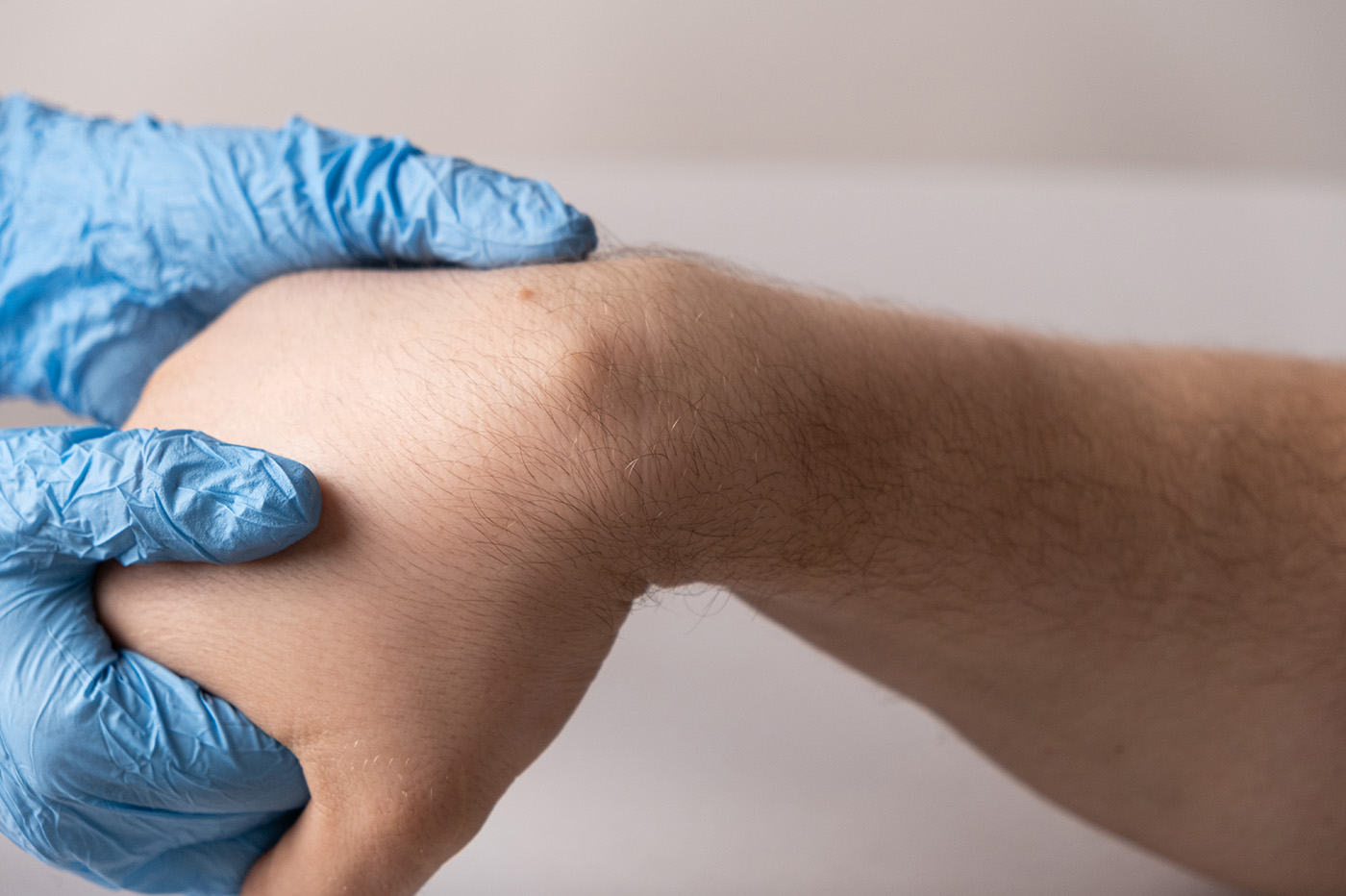
What Is a Lipoma?
A lipoma is a benign (non-cancerous) growth of fatty tissue that forms beneath the skin. These soft, movable lumps are typically painless and slow-growing, most commonly appearing on the neck, shoulders, back, abdomen, or arms. Lipomas are generally harmless, though some patients choose removal for comfort or cosmetic reasons.
How Do You Get Lipomas?
The exact cause of lipomas is not fully understood, but they most often develop in adults between the ages of 40 and 60. Several factors may contribute, including:
- A family history of lipomas (genetic predisposition)
- Minor injuries that may trigger growth at the site of trauma
- Certain metabolic conditions (rare, but sometimes associated)
Treatment Options for Lipomas
Observation
If a lipoma is small, painless, and not bothersome, we may recommend monitoring it over time. No treatment is required unless the lipoma changes in size, becomes uncomfortable, or causes concern.
Surgical Removal (Excision)
- Procedure: Under local anesthesia, the lipoma is carefully removed through a small incision.
- Advantages: Complete excision typically prevents recurrence.
- Recovery: Most procedures take about 30 minutes and involve minimal downtime. A small scar is usually the only visible sign afterward.
Liposuction
- Procedure: A small cannula (thin tube) is inserted to gently suction away the fatty tissue.
- Advantages: Smaller incision and less noticeable scarring.
- Considerations: There may be a slightly higher chance of regrowth if some fatty tissue remains.
What to Expect During Lipoma Removal
- Consultation: A provider evaluates the lipoma’s size, location, and characteristics to determine the most appropriate removal method.
- Preparation: The treatment area is cleansed and numbed with local anesthesia.
- Procedure: Depending on the approach, either surgical excision or liposuction is performed.
- Closure: The skin is closed with sutures or steri-strips, and a dressing is applied.
- Aftercare: You will receive detailed instructions on wound care, dressing changes, and how to manage any mild discomfort.
Frequently Asked Questions
Will a lipoma return after removal?
Excision typically prevents regrowth. With liposuction, there is a small possibility of recurrence if some fatty tissue remains.
Is lipoma removal painful?
No. Local anesthesia ensures a virtually painless procedure. Some mild soreness or tenderness afterward is common.
When can normal activity resume?
Most patients can return to light daily activities within a few days. Full healing generally occurs within 1–2 weeks.
Will there be a scar?
Yes, but it is usually small and fades significantly over time.
Is lipoma removal covered by insurance?
In many cases, yes—especially if the lipoma causes symptoms such as pain, rapid growth, or functional discomfort. We recommend contacting your insurance provider to confirm coverage.
Lipoma removal is offered at select Epiphany Dermatology locations. Find a location near you to see if this service is available and book your consultation.